

Autism Nutrition
 Autism spectrum disorder or ASD is a complex developmental and neurological condition. . It affects the brain function, particularly in the areas of social interaction and communication skills. There is no cause for ASD, but both genetics and environment are believed to plays a roll.
Nutrition is challenging when you have a child with Autism.
As their parents we know well, many individuals with Autism have food aversions and sensitivities. Many children also have behavioural issues that make mealtime particularly challenging, for both the kid and mom.
Children with Autism is not just picky eaters.
Children with ASD often have restricted diets as well as difficulty sitting through meal times; they may not be getting all the nutrients they need, particularly calcium and protein.
Parents should worry about providing their children with healthy diets as this plays a big part in daily behaviour. Children on the Autism Spectrum often have repeat behaviours and have narrow obsessive interests.
Nutrition Therapy or just the right nutritional choices can really make a big difference to children with autism.
Children living with Autism Spectrum Disorder often avoid certain foods or have restrictions on what they eat, as well as difficulty sitting through mealtimes; they may not be getting all the nutrients they need. Children with Autism Spectrum Disorder often may repeat behaviours or have restricted interests.
These types of behaviour can affect eating habits and food choices, which can lead to the following health concerns.
- Limited food selection or strong food dislikes.
– Children with autism may be sensitive to the taste, smell, colour and texture of foods.
– They may limit or totally avoid some foods and even whole food groups.
– Dislikes may include strong flavoured foods, fruits and vegetables or certain textures such as slippery or soft foods. - Not eating enough food.
– Kids with autism may have difficulty focusing on one task for an extended period of time.
– It may be hard for a child to sit down and eat a meal from start to finish.
– You might need to keep remind your child to finish their meal. - Constipation.
– This problem may be caused by a child’s limited food choices, low physical activity levels or medications.
– It typically can be remedied by gradually increasing sources of dietary fiber, such as bran cereals and fruits and vegetables, along with plenty of fluids and regular physical activity. - Medication interactions.
– Some stimulant medications used with autism can lower appetite. This can reduce the amount of food a child eats, which may affect growth.
– Other medications may increase appetite or affect the absorption of certain vitamins and minerals.
– If your child takes medication, ask your healthcare provider about possible side effects.


REMEMBER – WE ARE WHAT WE EAT!!!
Many children have severely disrupted digestion, so restoring balance in the gut is a key focus point all parents needs to look into. A nutritious balanced diet can make a world of difference in their ability to learn, how they manage their emotions and how they process information.
SPECIAL NEEDS NUTRITION & LIFESTYLE QUESTIONNAIRE
Start with a FREE Special Needs Nutrition & Lifestyle Questionnaire and discover natural solutions that can assist your family member living with Autism(ASD), ADHD, Behavioural Problems, Focus & Attention Difficulty, Learning Disabilities, Poor Language Skills, Sensory Problems or Nutrition Deficiency
There is no cause for ASD, but both genetics and environment are believed to plays a roll.
Daily Nutrition & Heavy Metals
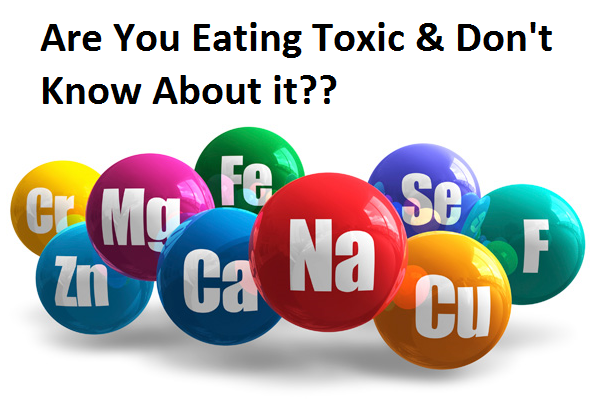
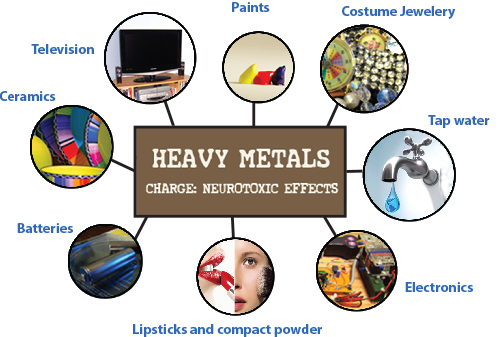
OOD. Unfortunately, unless we eat completely organic, most of our food also contains the following:
- Artificial sweeteners, residual pesticides, chemical colours, flavours, preservatives, GMO and hormones and antibiotics in animal products (milk, meat)
WATER. Our drinking water from the tap is not 100% pure as they clean the water with chlorine.
If possible use and drink Ozone water or water that you have purified. You can also pre-boil your water if you don’t have a water purifier.
AIR. We all know our air is no long fresh to breath in.
- What is in the air near you?
- Which factories are near enough for the wind to blow the toxic smoke to your house or school?
- Have you ever looked up in the sky and seen criss-cross contrails (aka chemtrails), or seen an airplane fly overhead?
- Did you know airplanes have to drop their jet fuel before landing?
It vaporizes in the air we breathe.
INSIDE POLLUTION – HOME/WORK/SCHOOL:
Pollutants can cause a wide range of short-term and long-term health problems.
- New carpet, flooring, walls may be off-gassing chemicals from glue, paint or finishes.
- Toxic mold can be a big problem for some homes.
- Electromagnetic frequencies from refrigerator, wifi, TV, other electrical devices can disrupt the human electromagnetic field (the heart and brain both emit electromagnetic waves).
- And as a reaction to EMFs, mold increases the amount of toxins it makes (think if there is mold in the body….).
BODY PRODUCTS.
Bath soap, conditioner, shampoo, cream & lotions, make-up, hair dye, body spray. sunscreen, dish soap, laundry detergent etc.
Do you ever read the label when buying skincare for your kids?
Look at the ingredient list for your products.
If you don’t know what the ingredient is, look it up and do research for yourself.
The Environmental Working Group has a great website listing toxins and the safety for lots of personal care products you may use.
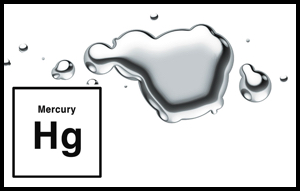 Is Mercury Poisoning A Chief Contributing Factor in Autism Spectrum Disorders?