

Leaky Gut Syndrome
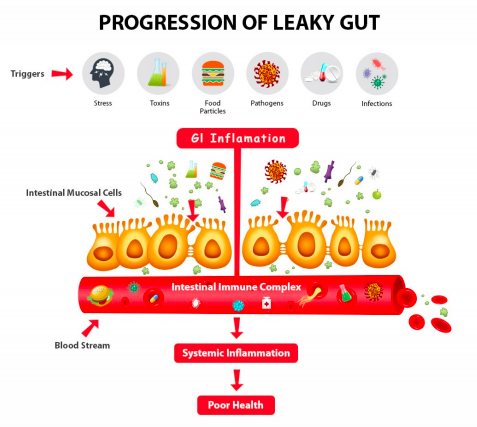
Leaky gut, or “intestinal permeability,” as it is also known, is a condition in which the lining of the small intestine becomes damaged, causing undigested food particles, toxic waste products and bacteria to “leak” through the intestines and flood the blood stream. The foreign substances entering the blood can cause an autoimmune response in the body including inflammatory and allergic reactions.
With leaky gut, damaged cells in your intestines don’t produce the enzymes needed for proper digestion.
As a result, your body cannot absorb essential nutrients, which can lead to hormone imbalances and a weakened immune system.
According to a 2016 article, imbalances in the gut microbiota can trigger the body’s immune response.
This results in gut inflammation and increased intestinal permeability (IP). IP describes how easily substances can leak out of the intestines and into the bloodstream.
Role of the gut microbiota in nutrition and health
 Gut microbiota and leaky gut syndrome
The intestines are also home to a wide range of bacteria called gut microbiota. Leaky Gut Syndrome may involve imbalances in gut microbiota. These gut microbiota helps aid digestion, protect the intestinal wall and support normal immune function.
Leaky Gut Syndrome creates gaps in the intestinal walls that allow harmful bacteria and toxic substances to escape into the bloodstream. The organs of the GI tract include:
- the esophagus
- the stomach
- the small and large intestines
The digestive enzymes in the stomach and small intestine break down nutrients in food and drink you consume into smaller molecules that the body uses for energy, growth, and repair.
Your intestines also play an essential role in protecting, small and tight openings in the intestinal walls allow water and nutrients to pass through into the bloodstream while keeping the body from harmful bacteria and toxins. In Leaky Gut Syndrome, the intestinal walls openings become wider, allowing undigested food particles, bacteria, and toxic waste to enter directly into the bloodstream.
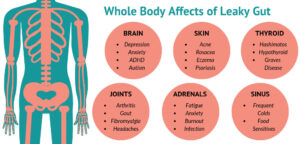
 Leaky gut syndrome shares many of its symptoms with other health conditions and for this it make the condition difficult for doctors to identify. Signs that you might have a leaky gut syndrome:
- Chronic diarrhea, constipation, gas or bloating (IBS – Irritable Bowel Syndrome)
- Nutritional deficiencies
- Poor immune system
- Headaches, brain fog, memory loss
- Excessive fatigue – Being tired for no reason
- Difficulty concentrating
- Skin rashes and problems such as acne, eczema or rosacea
- Body Inflammation
- Food allergies and sensitivities
- Cravings for sugar or carbs
- Arthritis or joint pain
- Depression, anxiety, ADD, ADHD
- Autoimmune diseases such as rheumatoid arthritis, lupus, celiac disease or Crohn’s
The key to healing a leaky gut is changing your diet and eliminating the foods that your body treats as toxic.
However, certain dietary and lifestyle changes may help people to improve their gut health.
This might assist in alleviating leaky gut symptoms.
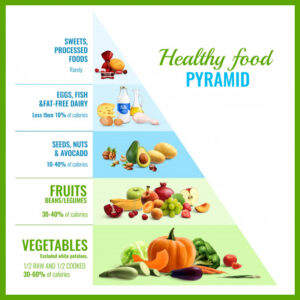
The following dietary tips may help to improve gut health:
- eating more probiotics to boost beneficial gut bacteria
- eating foods rich in prebiotic fiber, such as vegetables and whole grains
- eating less meat, dairy, and eggs
- avoiding added sugar and artificial sweeteners
The following lifestyle changes can improve digestion and support a healthy gut:
- exercising regularly
- getting enough sleep every night
- reducing stress
- avoiding unnecessary use of antibiotics and medication
- quitting smoking

Gut Microbiota And Autism
According to a 2016 review Trusted Source, autistic children often develop significant digestive problems, such as constipation, diarrhea, and vomiting.
Intestinal Permeability And Autism
In a 2019 review Trusted Source, researchers confirmed an association between gut microbiota imbalances and autism.