

What is Autism Spectrum Disorder (ASD)
Autism spectrum disorder (ASD) is a complex neuro-developmental disorder. Other commonly used terms are
- Autism
- Autism Spectrum Disorder,
- Asperger Syndrome “Aspie,”
- Pervasive Developmental Disorder not otherwise specified (PDD-NOS)
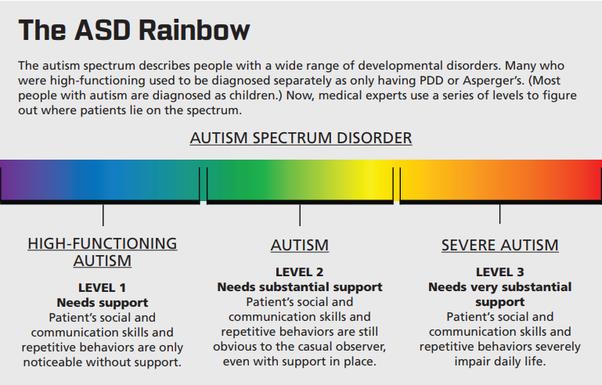
Autism spectrum disorder affects how a person communicates, behaves, interacts with others, as well as their learning styles. Autism is known as a “spectrum” disorder because it refers to a range of conditions and wide variation in the type and severity of symptoms people experience.
The term “spectrum” refers to the wide range of symptoms ASD people might experience, skills, and levels of disability in functioning that can occur in people with ASD.
People with autism may have some degree of difficulty of impaired challenges with:
- Communication
- Language
- Social interaction
- Repetitive behaviours
- Restricted learning interests
- A narrow range of interests and activities
- Inability to function effectively on a daily basis.
These symptoms can be extremely variable, extending from profound impairment to superior levels to mild, severe, or somewhere in between.
Individuals living with Autism Spectrum Disorder often present other co-occurring health conditions, these might including the following:
- Epilepsy & Seizures
- Brain & Nervous Dysfunction System
- Sensory Processing Disorder
- Feeding & Nutritional Disorder
- Depression
- Anxiety
- Attention Deficit Hyperactivity Disorder (ADHD)
- Obsessive-Compulsive Disorder (OCD)
- Oppositional Defiant Disorder (ODD)
- Gastrointestinal Issues (Leaky Gut Syndrome)
- Insomnia or Sleep Disorders
- Gifted (There brain functions differently than Neuro typical people and are very good with Maths / Music / Creative Minds to name a few.)
Autism Diagnosis
Early diagnosis and services can have a huge impact in the lives of children with Autism Spectrum Disorder and their families.
It is not always easy to make an ASD diagnosis.
There is no medical test, like a blood test, or hair analysis to diagnose the disorder. Genetic tests could be performed in severe cases. Autism Spectrum Disorder (ASD) has a very wide range of symptoms.
Some people who are “on the spectrum” have severe mental disabilities. Others are highly intelligent and able to live independently.
To diagnose Autism Spectrum Disorder (ASD) doctors rely on observing the behaviours of very young children and listening to the concerns of their parents. They look at the child’s developmental history and behaviour to make a diagnosis.
Autism Spectrum Disorder (ASD) can sometimes be detected at 18 months or younger depends on the signs and behaviour a child shows.
AUTISM MIGHT BE A DISABILITY – BUT IT IS ALSO A DIFFERENT ABILITY TO OTHERS
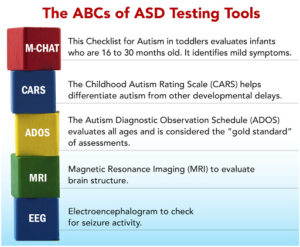 Tests and tools for diagnosing autism spectrum disorder
A medical professional Diagnosing autism spectrum disorder (ASD), will refer to the Diagnostic and statistical manual of mental disorders (DSM-5). The DSM-5 manual guide’s helps physicians in diagnosing autism spectrum disorder according to a specific number of symptoms.
DSM-5 lists the signs and symptoms of ASD and states how many of these must be present to confirm a diagnosis of ASD.
Some Professionals use screening tools or standardised tests to decide whether your child has enough ASD signs/symptoms to go on to a full assessment when observing your child.
Screening tools include:
- Autism Behaviour Checklist (ABC)
- Autism Detection in Early Childhood (ADEC)
- Childhood Autism Rating Scales, Second Edition (CARS-2)
- Modified Checklist for Autism in Toddlers (M-CHAT)
- Social and Communication Surveillance (SACS)
- Social Communication Questionnaire (SCQ).
If your child receives an autism diagnosis:
Naturally, you as a parent, other caregivers, and extended family need to grieve about this. You will undoubtedly worry about what the future holds while you learning your child have a lifelong developmental disability.
It is important to remember that while a diagnosis of autism may change what you thought your parenting experience would be and how we live our daily life’s, we now know that children with ASD can achieve so much more in life as long as they are given appropriate support and opportunities.
SPECIAL NEEDS NUTRITION & LIFESTYLE QUESTIONNAIRE
Start with a FREE Special Needs Nutrition & Lifestyle Questionnaire and discover natural solutions that can assist your family member living with Autism(ASD), ADHD, Behavioural Problems, Focus & Attention Difficulty, Learning Disabilities, Poor Language Skills, Sensory Problems or Nutrition Deficiency
Get advice if you think your child might have Autism. The next step is to start understanding your child better as well as their needs and what triggers them. Getting a diagnoses can help your child get any extra support they might need and it would help you as a parent.
THIS IN OVERALL DOES NOT MEAN LABELING YOUR CHILD
It opens up your mind as a parent to be able to connect with your children.